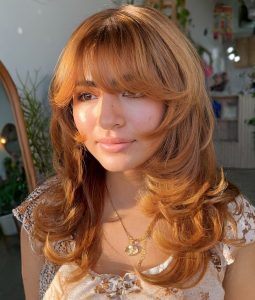
Soft, airy, and effortlessly stylish—the Korean hush cut is quietly taking over salons and social feeds this year. Unlike dramatic chops or heavy layers, the hush cut whispers style with subtle movement, feathered edges, and face-framing softness that flatters without shouting.
As a hairstylist and photographer, I’ve seen how a great cut can transform not just your look, but your confidence. And the hush cut? It does exactly that, if it’s done right.
Let’s look into why this cut is trending, who it works for, how to style it, and why it’s a little trickier than it looks.
The Best Hush Cut Variations for 2026
Depending on your hair length and personal style, here are some fresh ways to wear it this year:
#1

#2

#3

#4

#5

#6

#7

#8

#9

#10

What Is a Hush Cut Hairstyle?
The hush cut is a Korean-inspired layered haircut that falls somewhere between a shag and a soft blowout. It features:
- Light, wispy layers throughout
- Long or curtain-style bangs
- Soft volume at the crown
- Face-framing tendrils that taper into the ends
Unlike a wolf cut or a mullet, the hush cut aims for balance. It looks styled even when it’s air-dried, and it moves beautifully whether your hair is up or down.
It’s perfect for anyone who wants a lived-in, low-effort look with maximum feminine charm.
Why the Hush Cut Is So Tricky to Pull Off
Here’s the truth: the hush cut looks effortless, but it’s one of the most precision-based haircuts out there.
Why? Because you need to strike the right balance between volume and softness. Go too blunt and it loses its signature feathered finish. Over-layer it and it becomes shapeless and flat.
Many clients bring in inspo photos, but forget that the hush cut depends heavily on:
- The natural density of your hair
- The shape of your face
- How your hair holds volume when dry
Without thoughtful customization, it can fall flat, literally.
Who Should Try a Hush Cut?
This style works best if:
- You have medium to thick hair (fine hair needs extra styling)
- Your hair has a slight natural wave or body
- You want a soft, face-slimming shape
- You’re open to light styling (a quick blow-dry or texturizing spray)
It’s especially flattering for:
- Round or heart-shaped faces
- Soft or chubby cheeks
- Jawlines that benefit from some framing
💡 Jessica’s Tip:
“As a hairstylist and photographer, I always say your haircut should frame your features the same way a portrait draws the eye. With the hush cut, less is more—don’t over-layer, and always keep the softness near the jawline for balance.”
Hush Cut vs. Wolf Cut: What’s the Difference?
People often confuse the hush cut with the wolf cut, but they’re not the same.
| Hush Cut | Wolf Cut | |
|---|---|---|
| Vibe | Subtle, feminine, quiet luxury | Bold, edgy, more rebellious |
| Layers | Soft, flowing, feathered | Choppy, bold, high contrast |
| Styling | Minimal effort, air-dry friendly | Needs volume work and texturizing |
| Best for | Everyday, work-to-weekend looks | High-impact street or fashion-forward looks |
Think of the hush cut as the grown-up, softer sibling of the wolf cut.
Tips for Styling the Korean Hush Cut at Home
The hush cut shines when styled simply and softly. Here’s how I guide my clients (and how I style mine for shoots):
💨 Blow-dry for volume
- Flip your head upside down while drying the roots.
- Use a round brush on the ends for a gentle curl.
💦 Air-dry for softness
- Apply a lightweight leave-in or texturizing spray.
- Let the layers do the work, especially on wavy or slightly curly hair.
🧴 Product picks
- Texturizing spray: Adds definition without stiffness
- Volumizing mousse: Helps at the crown for extra lift
- Dry shampoo: Refreshes layers and adds body on day two
Keep it light—this cut doesn’t need heavy styling or product buildup.
- Short Hush Cut with Wispy Bangs
A breezy, light take for fine hair or those wanting a low-maintenance style. - Medium-Length Hush Cut with Soft Face Layers
The classic version—easy to maintain, great with natural texture. - Long Hush Cut with Curtain Bangs
Elegant, romantic, and ideal for those who want movement without going short. - Hush Cut with Color
Works beautifully with soft balayage, face-framing highlights, or even warm pastels.
📸 Pair each variation with styled images—close-ups from the side and back work best to show off the layering.
Before You Get the Cut: Quick Prep Checklist
Bring these with you to your stylist:
- 2–3 inspiration photos (ideally with similar face shape or hair type)
- A note about your daily routine (will you style every day or not?)
- A few words about what you like/dislike about your current cut
🧠 Tip: Ask your stylist how the hush cut will grow out over time. It’s usually low-maintenance, but some styles need shaping every 6–8 weeks.
Final Thoughts: The Hush Cut Is Soft, Chic, and Personal
The hush cut isn’t just a trend, it’s a statement in softness. It works best when tailored to you, your face, your vibe, and your routine. Whether you want a subtle glow-up or a total hair refresh, this cut offers movement, femininity, and just enough edge to feel modern.
So if you’re ready to try something new (but not too loud), maybe it’s time to let your hair hush.
Is the Hush Cut Right for Your Hair Type?
One of the biggest questions I get is whether the hush cut works for a specific hair texture. Short answer: almost always yes. Here is what to expect for each hair type.
Hush Cut for Fine Hair
Fine hair loves the hush cut. The feathered layers add movement and the illusion of thickness without weighing strands down. Ask your stylist to keep the layers longer and avoid over-thinning the ends — you want body, not whispy-ness.
Hush Cut for Thick Hair
Thick hair is where the hush cut truly shines. The layering technique removes bulk from the interior of the hair while keeping the silhouette soft. You get all the volume control of a heavily layered cut, but with a result that looks intentionally chic rather than choppy.
Hush Cut for Wavy or Curly Hair
Wavy and curly hair can absolutely rock a hush cut. The key is asking for a dry cut — curls shrink significantly when dry, so cutting wet can result in shorter layers than intended. The layers will enhance your wave pattern and reduce the triangle effect that many curly-haired people struggle with.
Hush Cut FAQ
Here are the questions clients ask me most often before booking a hush cut appointment.
- What face shapes suit a hush cut?
Oval, heart, long, and diamond face shapes suit the hush cut best. The feathered layers add softness and width at the cheekbones. Round and square faces can also work with the right framing pieces. - How do I ask my stylist for a hush cut?
Say: “I want soft, feathered layers that blend into the ends with no blunt edges. Keep interior weight but lighten the perimeter with face-framing pieces.” Always bring a reference photo. - Is a hush cut the same as a wolf cut?
No. The wolf cut is more dramatic with heavier layers and strong length contrast at the crown. The hush cut is softer, more blended, and more understated. Wolf cut is edgy; hush cut is quietly chic. - Does a hush cut require a lot of maintenance?
Less than most layered cuts. Plan a trim every 8 to 10 weeks to keep the feathered ends fresh. The grow-out is graceful and never looks awkward. - Can you get a hush cut on short hair?
Yes, though the effect is more subtle. Collarbone length or longer shows off the feathered layers best. On shorter hair it reads more like a textured lob or soft shag. - What is the hush cut trend about?
The hush cut originated from Korean beauty culture, where the aesthetic of effortless, soft, and natural-looking hair is prized. It is the antidote to heavily structured or over-processed styles.
More Hairstyle Inspiration
- Wolf Cut Hair Ideas for 2026 — the bolder, more dramatic sibling of the hush cut
- 20 Short Shag Haircuts for 2026 — more layered, textured inspiration
- Medium Wolf Cut Hairstyles — if you want something between a hush cut and a wolf cut
- Most Flattering Haircuts for Round Faces — choosing based on face shape